


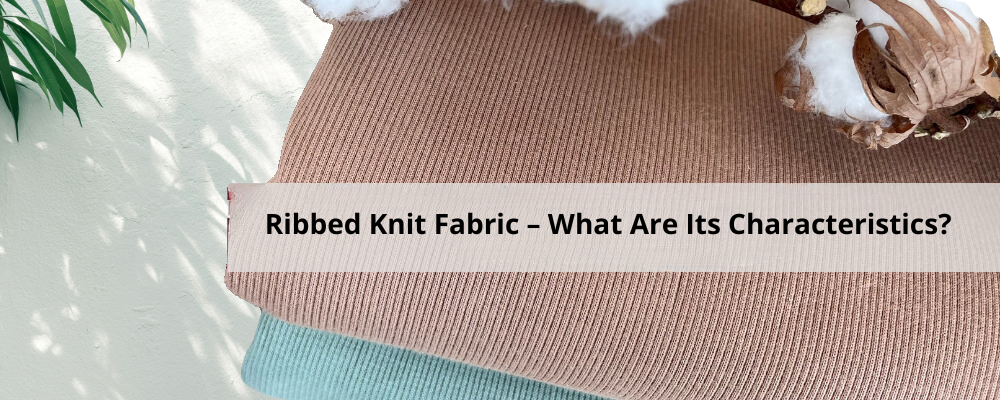
Ribbed Knit Fabric – Key Features and Fashion Uses
Ribbed knit fabric is one of the most popular materials, valued for its elasticity, which makes it suitable for various projects. What are the characteristics of ribbed knit fabric, and what can it be used for? It’s a material loved by customers because it’s soft and elastic, perfectly adapting to the shape of the person wearing it. What are the main advantages of this fabric?
Ribbed Knit Fabric – Key Features of the Material
Ribbed knit fabric is a classic material that is more elastic due to its production process. It often contains a blend of elastane – a synthetic fiber that further increases the fabric's stretchability. Although this fabric adapts to different shapes, it also has the ability to return to its original form, which prevents unattractive bulges on the shoulders, elbows, or knees. Clothes made from this fabric maintain their shape and appearance for a longer time.
Ribbed knit fabric is typically made from cotton, often with a composition exceeding 90%, with added elastane. Less commonly, ribbed knits are made from synthetic fibers, such as viscose.
Ribbed Knit Fabric – Best Uses in Clothing
Ribbed knit fabric is most commonly used in clothing where elasticity plays a key role. In winter collections, you will primarily find it in hats, scarves, leggings, and turtlenecks. It is also commonly used in tops and dresses – especially in fitted styles such as tube dresses or bodycon. It is often used for finishing the edges of homewear, such as ribbed cuffs in sweatpants (on wrists and ankles) or sweatshirts (at the cuffs). Thanks to its elasticity, the garment fits nicely and helps retain warmth, which is especially important on colder days. The elasticity of ribbed knit fabric can vary depending on the type, making it suitable for different types of clothing. It is often combined with other fabrics like sweatshirting or velvet.
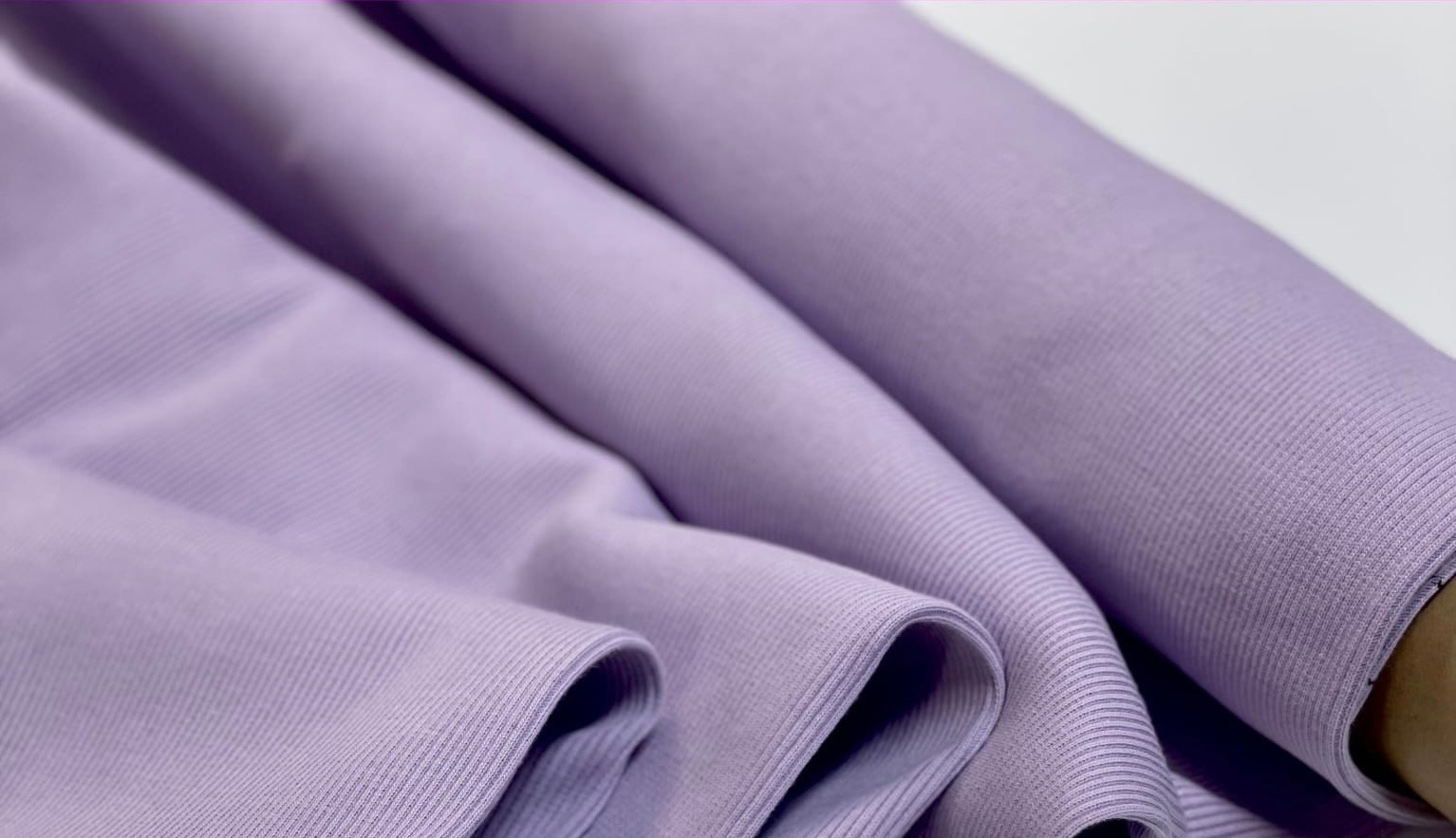
Ribbed Knit Fabric – What to Consider When Buying?
When buying ribbed knit fabric, it is usually available in the form of sleeves or pieces of material in fabric stores. Aside from the price and appearance, it’s important to pay attention to certifications such as
OEKO-TEX, which ensure the material is of high quality and durability. When sewing ribbed knit fabric, use a jersey needle, and beginners should remember to cut the ribbing a few centimeters smaller than the actual circumference (e.g., wrists, ankles, or head) because the material will stretch and fit perfectly. Ribbed knit fabric should be washed at temperatures between 30-40°C to maintain its quality.
Types of Knits – What to Combine Ribbed Knit Fabric With?
Among the most popular knits is loopback sweatshirting of medium thickness, which has a smooth front and small loops on the back. The second, thicker version is brushed sweatshirting, with a smooth front and soft, pleasant-to-the-touch loops on the inside. This material is heavier than loopback. The third popular type of knit is single jersey, made from thinner yarn. This fabric is much thinner than sweatshirting, making it ideal for light dresses and tops. Depending on the fabric's weight, jersey may curl at the edges or not – the higher the weight, the less the fabric curls.

